Ebonyi Damsels & the Sacred Glow of Uhie (Ufie)
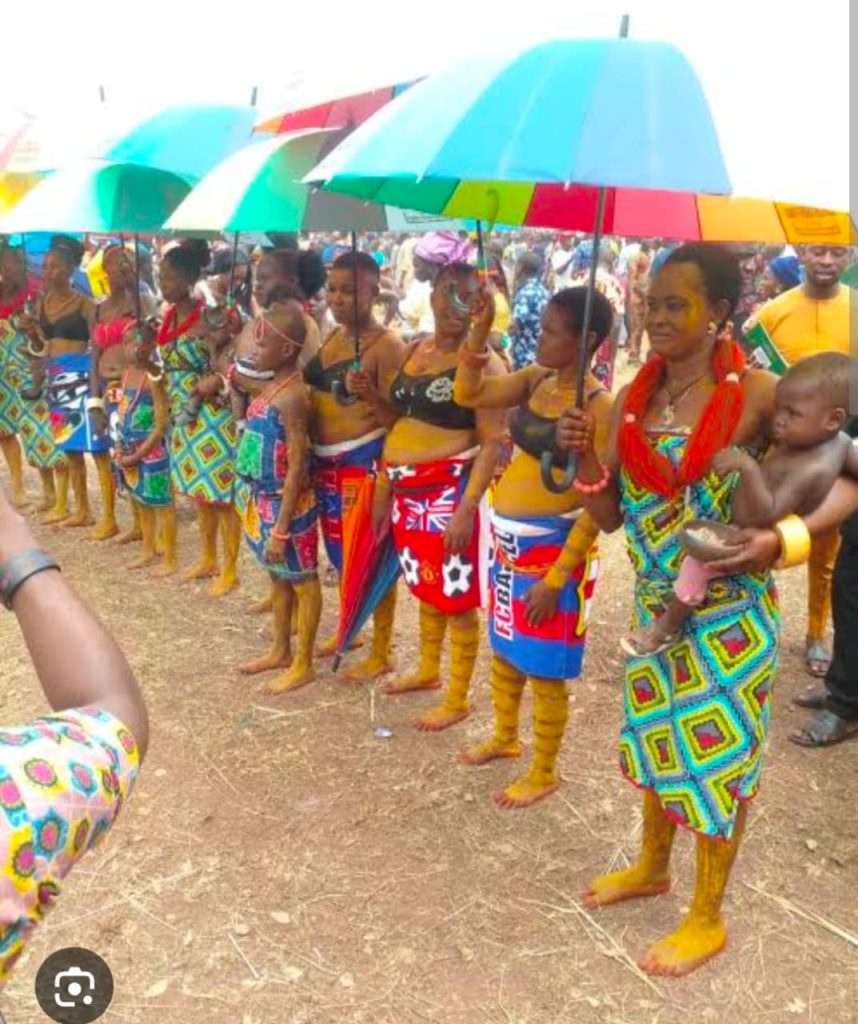
In the heart of Ebonyi’s cultural expression stands a striking symbol of beauty, identity, and tradition — the Ebonyi damsels adorned in Uhie (also known as Ufie), the sacred local chalk.
Coated in this warm, earthy pigment, these women embody more than aesthetic appeal; they represent purity, pride, and ancestral connection. Uhie is traditionally applied during festivals, rites, and cultural ceremonies, serving as both a decorative art and a spiritual marker.
The golden-yellow hue seen on their skin is not random — it reflects:
-
Cultural Identity: A visible connection to Ebonyi’s roots and indigenous heritage
-
Spiritual Significance: Often associated with cleansing, blessings, and sacred celebration
-
Feminine Pride: A celebration of womanhood, grace, and communal unity
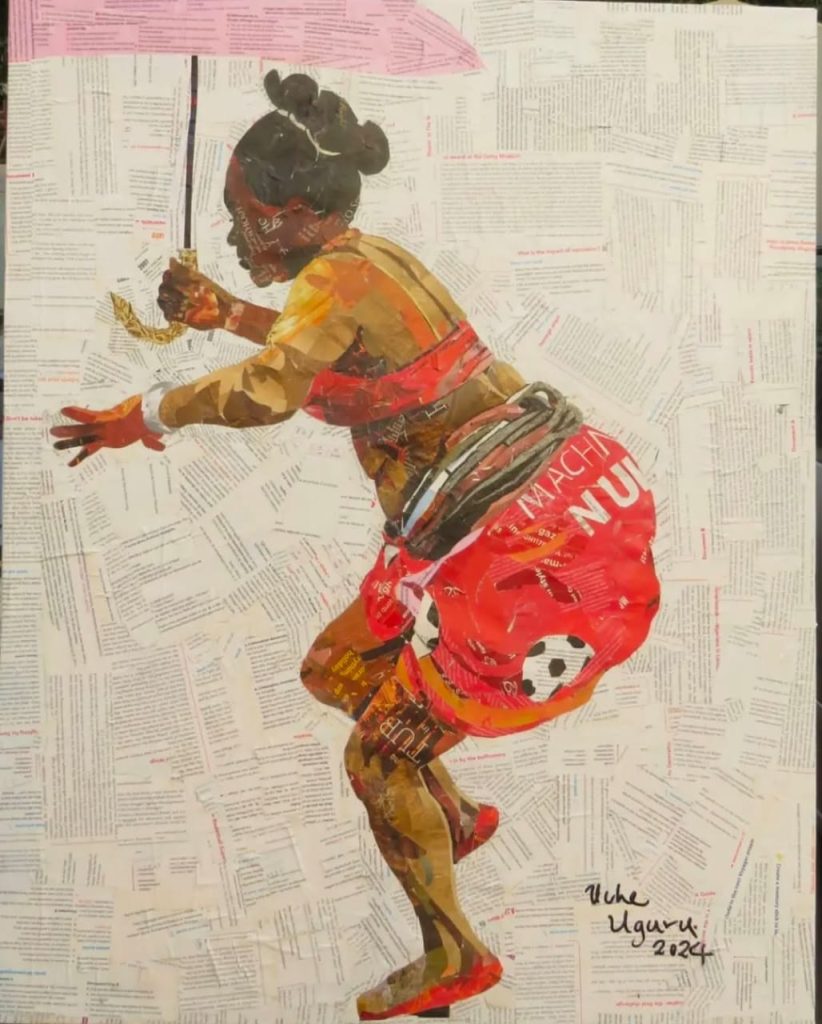
In gatherings like the New Yam Festival and other cultural displays, these damsels move in elegance — dressed in patterned wrappers, coral beads, and sometimes holding symbolic items like calabashes or umbrellas. Together, they create a living canvas of tradition, storytelling, and beauty.
Their presence transforms the atmosphere into something deeper than celebration — it becomes a visual narrative of history, identity, and continuity.
Why It Matters
In a fast-changing world, traditions like the use of Uhie remind us of the importance of preserving cultural identity. These expressions are not just performances — they are living heritage, passed down through generations.
The Ebonyi damsels, glowing in Uhie, are not just participants in a festival —
they are custodians of culture, walking embodiments of a people’s story